
The Small Component Behind Big Heating Problems
You know that comforting hum your furnace makes when it kicks on during a chilly North Texas morning? Behind that warmth is a small but powerful component working overtime—the furnace capacitor. Most homeowners never think twice about it until their system stops blowing warm air or refuses to start altogether.
At AGES Services Company, we’ve seen time and time again how one tiny, worn-out capacitor can cause major headaches—leaving families shivering and frustrated. So, we’re breaking down what this little powerhouse does, how to tell when it’s going bad, and why calling in a professional is always the safest move.
What Is a Furnace Capacitor?
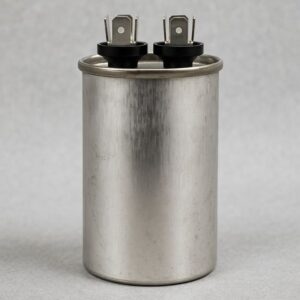
Think of a furnace capacitor as your system’s “jump starter.” It’s a small cylinder-shaped component that stores electrical energy and releases it in quick bursts to help your furnace motor start and keep running efficiently. Without it, your furnace would struggle to start—or not start at all.
There are typically two capacitors in a heating and cooling system:
- One that powers the blower motor (the part responsible for circulating air through your home).
- Another that helps the condenser fan motor if you have a combined HVAC system.
In short, your furnace capacitor works like a standby battery—ready to deliver a quick energy boost whenever your system needs it.
How a Furnace Capacitor Works
When your thermostat calls for heat, your furnace’s capacitor kicks into action. It releases stored energy to give the blower motor the jolt it needs to start spinning. Once the furnace is running, the capacitor continues to regulate voltage, ensuring consistent electrical flow.
Without it, the blower motor would have to draw a massive amount of current to start—which could overheat your furnace and cause other parts to fail. That’s why when a capacitor goes bad, the symptoms show up fast.
Why Furnace Capacitors Matter for Performance
Capacitors aren’t just for starting up your furnace—they also help it run better. Here’s what they do behind the scenes:
- Smooth startups: Prevent hard starts that stress out motors.
- Consistent airflow: Keep the blower motor running steadily for even heating.
- Energy efficiency: Reduce the strain on your electrical system.
- Longer motor lifespan: Minimize wear and tear by supplying the right power at the right time.
In short, without a healthy capacitor, your furnace becomes sluggish, unreliable, and inefficient—and your comfort takes the hit.
Common Signs of a Failing Furnace Capacitor
If your furnace is acting strange, the capacitor might be the culprit. Here are a few symptoms to watch out for:
- Weak or uneven airflow coming from your vents.
- Furnace making buzzing or clicking noises when it starts.
- System taking multiple tries before turning on.
- Furnace shutting off too soon or cycling rapidly.
- Lights flickering in your home when the furnace starts.
- Noticeable burning smell or warm air not blowing at all.
If any of these sound familiar, don’t wait—what starts as a simple capacitor issue can escalate into motor damage or complete system failure.
What Causes Furnace Capacitors to Fail?
Several factors can shorten a capacitor’s lifespan, including:
- Age: Capacitors naturally degrade over time and usually last 5–10 years.
- Heat: Constant exposure to high temperatures inside the furnace cabinet dries out the internal fluid.
- Power surges: Lightning strikes or electrical spikes can fry the delicate internal wiring.
- Moisture: High humidity or condensation can cause corrosion.
- Poor installation or low-quality parts: Using the wrong capacitor rating can cause premature failure.
At AGES Services Company, we always use manufacturer-approved capacitors rated specifically for your furnace model to ensure safe, lasting performance.
Risks of Ignoring a Bad Capacitor
A failing capacitor doesn’t just make your furnace unreliable—it can cause a ripple effect across your entire HVAC system. Ignoring it can lead to:
- Overheating blower motors.
- Burnt circuit boards.
- Higher energy bills from inefficient operation.
- System short cycling and eventual shutdown.
A $200 capacitor replacement is a lot cheaper than a $2,000 motor repair—or worse, a full furnace replacement.
Why DIY Furnace Capacitor Repairs Are Dangerous
We get it—DIY repairs seem tempting when you want to save a few bucks. But capacitors store powerful electrical energy, even when the system is off. Mishandling one can cause severe electrical shocks or system damage.
Replacing a capacitor also isn’t just about swapping parts. It requires the correct voltage, microfarad rating, and polarity. Installing the wrong one can short-circuit your furnace, void your warranty, or even create a fire hazard.
So before grabbing a screwdriver, remember—safety comes first, savings second.
The Benefits of Calling Professional HVAC Technicians
When you call AGES Services Company, you’re not just getting a quick fix—you’re getting peace of mind. Our licensed technicians will:
- Diagnose the true cause of your heating problem (not just the symptom).
- Test voltage and current to confirm capacitor failure.
- Install a capacitor that matches your system’s exact specifications.
- Inspect your blower motor, control board, and wiring for early signs of wear.
- Ensure safe, efficient, and code-compliant repairs.
This thorough, start-to-finish approach saves you time, energy, and future repair costs.
Cost of Furnace Capacitor Replacement
A professional furnace capacitor replacement typically costs between $150–$400, depending on the system type, part availability, and labor time. While the capacitor itself is inexpensive, the real value comes from safe handling and accurate installation by an experienced technician.
At AGES Services Company, we believe in transparent pricing—you’ll always get an upfront estimate before we begin any work. No surprises, just solutions.
How Often Should Furnace Capacitors Be Replaced?
Most capacitors last around five to seven years, but lifespan depends on usage, environment, and maintenance. If your furnace runs year-round for both heating and cooling, your capacitor will wear out faster.
We recommend scheduling annual HVAC tune-ups so your technician can test the capacitor before it fails. This proactive approach keeps your system running efficiently and avoids winter breakdowns.
Pro Tips to Extend Your Furnace Capacitor’s Lifespan
Here’s what you can do to help your furnace capacitor go the distance:
- ✅ Keep the furnace area clean and well-ventilated.
- ✅ Replace air filters regularly to prevent airflow strain.
- ✅ Avoid blocking vents or registers.
- ✅ Install a whole-home surge protector to guard against power spikes.
- ✅ Schedule yearly professional maintenance for electrical checks.
A few simple habits can keep your furnace capacitor working harder—and smarter—for years.
The Importance of Regular Furnace Maintenance
Your furnace is a complex system with multiple electrical components working in sync. When one part fails—like the capacitor—it can throw everything off balance. Routine maintenance helps catch small problems early, before they become costly breakdowns.
During an annual tune-up, AGES Services Company’s certified technicians inspect wiring, check voltage levels, clean blower assemblies, and ensure your capacitor is performing within safe limits. We help keep your system running efficiently through every Texas season.
When to Schedule a Professional Inspection
If your furnace is showing warning signs—odd noises, weak airflow, or frequent cycling—it’s time to call in the pros. Even if everything seems fine, scheduling a yearly inspection before winter ensures your system is ready for heavy use.
Regular inspections aren’t just about avoiding repairs—they protect your investment, extend your furnace’s lifespan, and give you reliable comfort when you need it most.
Final Thoughts: Trust the Experts for Safe and Reliable Furnace Repairs
Your furnace capacitor may be small, but it’s mighty. When it fails, the entire system feels the impact—from uneven heating to total shutdowns. Keeping it in top condition is key to your comfort and energy savings.
At AGES Services Company, we make sure your home in Southlake, TX, and nearby areas stays warm, safe, and efficient. Whether you need a quick capacitor replacement, seasonal maintenance, or a complete furnace check-up, our experts are ready to help.
Don’t wait until the cold creeps in—contact AGES Services Company today to schedule your professional furnace service and keep your home comfortable all season long!